
WEST SIKKIM
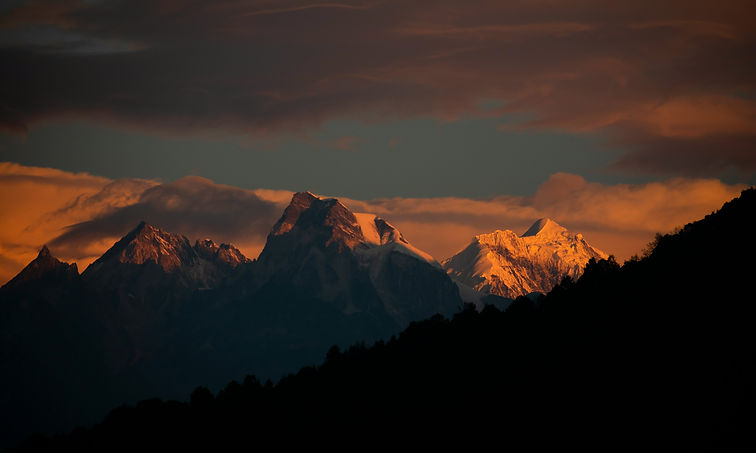
"West Sikkim: A Journey Through Nature, History, and Spirituality" West Sikkim is a region blessed with breathtaking natural beauty, rich cultural heritage, and a fascinating history. From its rugged landscapes and serene monasteries to its renowned trekking routes and sacred sites, West Sikkim offers a perfect blend of adventure, spirituality, and history. Historically, West Sikkim was the heart of the state’s monarchy, with Yuksom serving as the first capital in 1642, where Sikkim’s first Chogyal (king) was crowned. Yuksom, considered the cradle of Sikkim’s culture and politics, also marks the beginning of the region’s spiritual history. The capital shifted to Rabdentse in 1670, and today, the ruins of these ancient capitals remain as historical treasures. Yuksom, often called the Gateway to Kangchenjunga, is surrounded by dense forests and offers panoramic views of the mountains. It is the starting point for the famous Kangchenjunga Base Camp Trek. The town also hosts two significant monasteries: Dubdi, the oldest in Sikkim, and the revered Tashiding Monastery. Nearby Pelling, a popular hill station, provides stunning views of Kangchenjunga and boasts cultural landmarks like the Pemayangtse and Sangachoeling Monasteries. The Rabdentse Ruins, Rimbi Waterfalls, and Kanchenjunga Waterfalls further enhance Pelling's charm. West Sikkim is a trekker's paradise, with famous trails like the Kangchenjunga Base Camp Trek, Goechala Trek, and Singalila Ridge Trek, all offering spectacular views of the Himalayas and passing through diverse landscapes of rhododendron forests and alpine meadows. The region is also home to the UNESCO-listed Kangchenjunga National Park, a biodiverse area teeming with rare flora and fauna. Cultural experiences abound, with the region’s monasteries offering spiritual solace, and festivals like Losar and Dashain providing a glimpse into local traditions. The local cuisine, influenced by Tibetan and Nepali flavors, features dishes like Thukpa, Momos, and Chhang, perfect for savoring after a day of exploration. West Sikkim is an unforgettable destination for those seeking adventure, culture, and natural beauty.
Rinchenpong

Rinchenpong: A Serene Village with a Glimpse of Kanchenjunga Nestled at an altitude of 5,400 feet in West Sikkim, Rinchenpong is a tranquil village known for its stunning views of Mount Kanchenjunga and the surrounding Himalayan peaks. The village offers an exceptional blend of natural beauty, cultural heritage, and spiritual tranquility, making it a perfect destination for nature lovers, trekkers, and those seeking peace away from the bustle of urban life. Rinchenpong’s most notable feature is the panoramic view of Kanchenjunga, the third-highest peak in the world, along with other majestic mountains like Mt. Narsing. The sight is particularly captivating at sunrise and sunset, when the mountains are bathed in soft, golden hues. This village is one of the best spots in Sikkim to experience these awe-inspiring views. A significant cultural landmark in Rinchenpong is the Rinchenpong Monastery, the third oldest in Sikkim. Located at 5,500 feet, this monastery has been a part of the village for nearly three centuries. It is renowned not only for its serene surroundings but also for its unique Ati Buddha statue, which is seated in the Yab-Yum position—a rare sight in Sikkimese monasteries. The monastery is a focal point of spiritual practice and offers visitors a deep connection with the region’s Buddhist traditions. The trail leading to the monastery is adorned with fluttering prayer flags, adding to the village's peaceful and spiritual atmosphere. As you hike through this lush, picturesque landscape, the integration of the monastery with the natural surroundings becomes apparent—showcasing Sikkim’s harmonious relationship between culture and nature. Rinchenpong also offers several trekking and nature walk opportunities, with trails that pass through dense forests and picturesque villages. The village's unique cultural blend of Nepali and Bhutia traditions, along with local handicrafts and foods in the Rinchenpong Market, further enriches the visitor experience. With its stunning views, spiritual significance, and serene environment, Rinchenpong is a must-visit for anyone exploring the heart of the Himalayas.
Barsey

Barsey Rhododendron Sanctuary: A Natural Wonderland in Sikkim Located in West Sikkim, the Barsey Rhododendron Sanctuary is a captivating haven for nature lovers, trekkers, and wildlife enthusiasts. Spanning 104 square kilometers in the Singalila Range, this sanctuary is renowned for its vibrant rhododendron blooms, rich biodiversity, and stunning views of the Kanchenjunga range. The sanctuary is named after its striking rhododendron trees, which come alive in vivid hues of red, pink, and purple between March and May. With over 40 species of rhododendron, some of which are rare and endemic, the sight of these flowers in full bloom is one of the sanctuary's major attractions. In addition to its spectacular flora, the sanctuary is home to a variety of wildlife, including the Himalayan langur, leopard cat, and crimson horned pheasant, making it a prime location for birdwatchers and nature photographers. For trekking enthusiasts, Barsey offers a popular route that connects Hilley to the sanctuary. The trek takes you through dense forests, alpine meadows, and rhododendron groves, providing ample opportunities to spot wildlife and enjoy panoramic views of snow-capped peaks, including Kanchenjunga. The trek is a moderate challenge, taking about 2 to 3 hours to complete, and offers a perfect blend of adventure and natural beauty. The sanctuary is also a paradise for photographers, offering breathtaking views of the Kanchenjunga range and the surrounding hills, particularly during the early morning hours when the mountains glow in the light of the rising sun. The climate is cool and temperate, with the best time to visit being between March and May, when the rhododendrons bloom, or from November to May, when the skies are clear and the weather is ideal for trekking. With its mesmerizing landscapes, diverse wildlife, and peaceful environment, Barsey Rhododendron Sanctuary is a must-visit for anyone exploring the natural beauty of Sikkim.
Kirateshwar Temple

Kirateshwar Mahadev Temple: A Sacred Sanctuary in West Sikkim Nestled along the banks of the Rangeet River in Legship, West Sikkim, the Kirateshwar Mahadev Temple is a revered Hindu pilgrimage site. Set at an altitude of 1,500 feet, it is known for its spiritual significance and scenic surroundings, offering a peaceful retreat for visitors. The temple is deeply rooted in Hindu mythology, particularly the Mahabharata, where it is believed Lord Shiva manifested as the hunter Kirateshwar to bless Arjuna with the powerful Pashupatastra during his penance. This sacred event, according to legend, took place at this very site. The temple houses a Shiva Lingam, which is said to have been discovered miraculously, adding to the sanctity of the location. Devotees flock here to seek blessings for peace, prosperity, good health, and harmony. The temple is especially significant to the Kirati community, an indigenous group in the region who consider this site a key part of their spiritual heritage. The Kirateshwar Mahadev Temple serves as a reflection of their ancient traditions and their devotion to Lord Shiva. The temple is set in a picturesque location with lush greenery surrounding it and the serene Rangeet River flowing nearby. This tranquil setting, combined with views of the mountains and river valley, enhances the spiritual atmosphere of the site. Its peaceful surroundings make it a popular destination for both pilgrims and tourists seeking serenity. Festivals, especially Mahashivaratri, attract large crowds of devotees who gather for prayers and rituals. The temple's historical, cultural, and natural significance make it a must-visit destination for anyone exploring the spiritual and scenic beauty of West Sikkim. Whether seeking peace or simply appreciating the surroundings, the Kirateshwar Mahadev Temple offers a serene and enriching experience.
Rabdentse Ruins

Rabdentse Ruins: A Glimpse into Sikkim's Royal Past The Rabdentse Ruins in West Sikkim stand as a powerful reminder of the region's royal history. Once the second capital of Sikkim, Rabdentse was established in 1670 by Chogyal Tensung Namgyal, the second king of Sikkim. The strategic location offered not only political importance but also stunning views of the Kanchenjunga range, which added to the allure of the site. For over a century, it served as the seat of power for the Chogyals until its destruction in the 18th century by the invading Gurkha forces. The ruins that remain today tell the story of the violent battles and political upheavals that marked this significant chapter in Sikkimese history. The site is home to the remnants of the royal palace, courtyards, and Buddhist stupas, providing a fascinating glimpse into the grandeur of Rabdentse before its fall. The ruins, though weathered by time, still reveal intricate details and are marked by signs of past conflicts, including bloodstains on palace walls that hint at the violent confrontations that took place. Visitors can wander through the ruins, imagining the splendor of the once-thriving capital, while taking in the breathtaking panoramic views of Kanchenjunga and the surrounding valleys. Rabdentse's location near Pemayangtse Monastery, one of Sikkim's oldest Buddhist monasteries, further enhances its spiritual and historical significance. The site has been declared an archaeological site of national importance by the Archaeological Survey of India, ensuring its preservation for future generations. Accessible via a short trek from Pelling, Rabdentse offers a perfect blend of nature, history, and culture, making it an essential destination for anyone visiting West Sikkim. Whether exploring the past or simply enjoying the scenic beauty, the ruins provide a serene and evocative experience for history enthusiasts and nature lovers alike.
Sidkeong Tulku Bird Park

Sidkeong Tulku Bird Park: A Sanctuary of Birds and Beauty Nestled between the Rabdentse Ruins and Pemayangtse Monastery in West Sikkim, Sidkeong Tulku Bird Park offers a serene escape for nature lovers and bird watchers. Established in 2015, the park is set within lush wetlands, providing an ideal habitat for both resident and migratory birds. The stunning landscape, surrounded by rolling hills and panoramic views of the surrounding mountains, creates a peaceful environment perfect for relaxation and nature walks. The park is home to a diverse range of bird species, including waterfowl, shorebirds, and songbirds that reside here year-round. During the winter months, the wetlands become a crucial stopover for migratory birds traveling along the Himalayan foothills, making it an exciting destination for bird watchers eager to spot rare species. The park’s biodiversity is further supported by ongoing conservation efforts, with the Government of Sikkim playing a key role in maintaining the area’s natural balance and promoting eco-tourism. Designed to be both a bird-watching haven and an educational space, the park features well-marked trails, viewing points, and informative boards that highlight the local wildlife and the importance of bird conservation. It serves as a valuable resource for tourists, students, and nature enthusiasts who want to learn about the region’s avian species and the significance of preserving their natural habitats. Located just a short distance from Pelling and easily accessible from Pemayangtse Monastery, Sidkeong Tulku Bird Park makes for an ideal stop on a tour of West Sikkim. Visitors can combine a trip to the park with explorations of nearby attractions such as the Rabdentse Ruins and Pemayangtse Monastery. The best time to visit is during the winter months when migratory birds are most abundant, but the park is a delightful destination year-round. For those seeking tranquility, rich biodiversity, and a deeper connection with nature, Sidkeong Tulku Bird Park is an essential stop in the heart of the Himalayas.
Pemayangtse Monastery
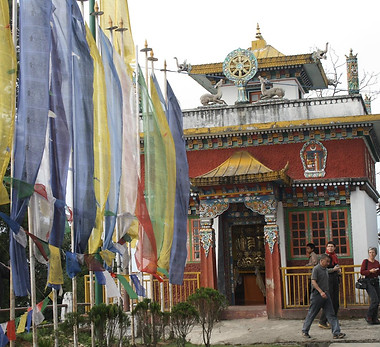
Pemayangtse Monastery: A Spiritual Jewel of Sikkim Situated at an elevation of 2,085 meters (6,840 feet), Pemayangtse Monastery is one of Sikkim's most revered Buddhist sites. Established in 1705 by the revered Lama Lhatsun Chempo, the monastery stands as a symbol of the region’s rich Buddhist heritage. Its name, "Pemayangtse," translates to "Perfect Sublime Lotus," reflecting its deep spiritual significance and the path to enlightenment. Historically, Pemayangtse played a crucial role in the religious and political life of Sikkim, especially for the Bhutia community, from which the monastery's monks are traditionally chosen. Lhatsun Chempo was also instrumental in the coronation of Sikkim’s first Chogyal, cementing the monastery’s place in the kingdom's history. The architecture of Pemayangtse is a striking example of Tibetan Buddhist design, with colorful frescoes and intricate carvings adorning its walls. The "perfect lotus" motif represents spiritual growth, and the monastery’s serene atmosphere invites both introspection and worship. Pemayangtse is part of Sikkim's important Buddhist pilgrimage circuit, attracting visitors and devotees from around the world. The surrounding landscape offers stunning views of Mount Kanchenjunga, enhancing the monastery’s spiritual atmosphere. Nearby sites like the Rabdentse Ruins, Sanga Choeling Monastery, and Sidkeong Tulku Bird Park add to the religious and cultural importance of the region, offering opportunities for nature lovers and history enthusiasts alike. The monastery is also home to a community of monks who follow the Nyingma tradition of Tibetan Buddhism. Visitors can witness traditional rituals, prayer sessions, and meditation, providing insight into the spiritual practices that define life here. Pemayangtse also hosts vibrant festivals such as the Cham Dance during Tibetan New Year, where monks perform elaborate dances in colorful costumes. For those seeking a peaceful retreat or a deeper understanding of Tibetan Buddhism, Pemayangtse Monastery offers a unique blend of spirituality, history, and natural beauty. Its rich heritage and breathtaking views make it an unmissable destination in Sikkim.
Skywalk

The Chenrezig Statue and Skywalk: Spirituality Meets Adventure in Pelling The Chenrezig Statue and Skywalk in Pelling, West Sikkim, stands as a remarkable destination blending spiritual significance with breathtaking views. The 137-foot (42 meters) tall statue of Chenrezig, the Bodhisattva of Compassion, is the tallest of its kind in the world. Situated in the Himalayas, the statue offers panoramic views of the surrounding peaks, including Kanchenjunga, making it a stunning symbol of peace and compassion. The complex also features India’s first glass skywalk, perched at an altitude of 7,200 feet (2,195 meters) above sea level. This exhilarating glass-bottomed walk provides visitors with the sensation of walking above the clouds, offering a thrilling perspective of the statue and the expansive valley below. The spiritual atmosphere is further enhanced by golden prayer wheels lining the stairs leading to the statue, which visitors often spin during their ascent. Inaugurated in 2018, the Chenrezig Statue and Skywalk have quickly become a popular pilgrimage and tourist attraction. The statue was consecrated by the Dalai Lama, and the site continues to attract visitors seeking reflection, meditation, and connection with nature. The combination of historical significance, spiritual depth, and natural beauty makes it a must-visit location in Sikkim. For those visiting, the panoramic views, the opportunity to walk on the glass skywalk, and the serene atmosphere offer an unforgettable experience. Nearby attractions such as the Pemayangtse Monastery, the Rabdentse Ruins, and the Sanga Choeling Monastery further enhance the region’s cultural and spiritual richness. Whether for adventure, spiritual reflection, or simply to enjoy the stunning surroundings, the Chenrezig Statue and Skywalk is a destination that promises to leave a lasting impression.
Khecheopalri Lake

Khecheopalri Lake: A Sacred Sanctuary in West Sikkim Nestled in West Sikkim, Khecheopalri Lake is a sacred site revered by both Buddhists and Hindus. Located near the village of Khecheopalri, about 147 kilometers from Gangtok, this serene lake is considered a “wish-fulfilling” destination, believed to grant the prayers of those who approach it with sincerity. The lake is sacred to Buddhists, who associate it with Tara, the Goddess of Compassion, and it is said that Guru Padmasambhava once meditated here, preaching to 64 yoginis. Local legends also tell of healing properties in its waters, which are used in spiritual rituals. The lake’s name, Khecheopalri, translates to “palace of flying yoginis,” a nod to the divine female beings associated with the Bodhisattva of Compassion, Avalokiteshvara. It is a place where the earthly and divine worlds are believed to converge. A unique feature of the lake is that its surface is always clear, as local birds, especially crows, are said to collect fallen leaves, symbolizing nature’s protection of the lake’s sacredness. Surrounded by lush forests and set against the breathtaking Khangchendzonga mountain range, Khecheopalri Lake is a site of natural beauty as well as spiritual significance. The area is part of the Khangchendzonga National Park, a UNESCO World Heritage Site, making it a biodiversity hotspot. Trekking around the lake offers visitors a chance to experience the surrounding flora and fauna, including rhododendron forests in bloom during spring. Part of a larger Buddhist pilgrimage circuit, Khecheopalri Lake also attracts Hindu pilgrims who honor Lord Shiva, who is said to have meditated nearby. The best times to visit are in spring or autumn when the weather is pleasant, and the lake's surroundings are at their most vibrant. Whether for spiritual reflection or simply to enjoy the natural beauty, Khecheopalri Lake is an unforgettable destination.
Pelling

Exploring Pelling: A Scenic Retreat in Sikkim Nestled at an altitude of 6,800 feet in West Sikkim, Pelling is a scenic haven for nature lovers, history enthusiasts, and adventure seekers. Located about 125 kilometers from Gangtok, Pelling offers stunning views of Mt. Kanchenjunga, the third-highest peak in the world. The town has become a prominent tourist destination thanks to its lush landscapes, serene environment, and rich cultural heritage. One of Pelling’s biggest attractions is the panoramic vista of Kanchenjunga, especially at sunrise when the mountain peaks are bathed in golden light. Surrounded by verdant hills, waterfalls like Rimbi and Kanchenjunga add to the area’s natural charm. For trekkers, Pelling is a gateway to popular trails, including those leading to Khecheopalri Lake, Dzongri, and Goechala, offering a chance to explore dense forests and vibrant rhododendron blooms. Pelling is also home to significant historical and cultural landmarks, including the Pemayangtse Monastery and the Rabdentse Ruins, remnants of the second capital of Sikkim. The town holds spiritual significance, with various monasteries, such as Sanga Choeling and Tashiding, attracting Buddhist pilgrims who seek blessings and peace. The Chenrezig Statue, a 137-foot representation of the Bodhisattva of Compassion, stands as the tallest of its kind, and its nearby skywalk offers a thrilling, glass-bottomed view of the surrounding mountains and valleys. Beyond its spiritual and natural beauty, Pelling is a peaceful retreat perfect for relaxation. The quiet monasteries and tranquil surroundings make it ideal for meditation, reflection, or simply unwinding amidst nature. Whether you’re looking to trek, explore cultural sites, or simply enjoy the breathtaking scenery, Pelling is a destination that offers something for everyone.
Singshore Bridge

Singshore Bridge: An Engineering Marvel in Sikkim Located near Pelling, Singshore Bridge stands as one of the most impressive engineering feats in Sikkim, holding the title of the highest bridge in the state and the second highest in Asia. With a height of over 100 meters (328 feet) and a length of 240 meters (787 feet), the bridge offers visitors a unique and thrilling experience. The bridge provides stunning panoramic views of the surrounding landscape. Perched high above, it connects two hills, offering a mesmerizing vista of lush green valleys, dense forests, and mountain ranges. From the bridge, visitors can hear the sound of cascading waterfalls and see the powerful river flowing through rocky terrain, creating a peaceful yet dramatic atmosphere. For those who enjoy adventure, standing on the bridge provides a rush of excitement as the wind blows through, and the deep gorge and flowing river lie beneath. The height adds to the thrill, making it an ideal spot for photography, where one can capture the breathtaking scenery. Historically, Singshore Bridge is also significant in the development of Sikkim’s infrastructure. It has been an essential part of transportation, connecting two remote hills and easing travel for trekkers and travelers in the region. Today, the bridge is a popular tourist attraction, drawing visitors from around the world who come to marvel at its design, enjoy the spectacular views, and experience the sense of adventure it offers. Located just a 40-minute drive from Pelling, the bridge is easily accessible and offers a convenient stop for anyone traveling through West Sikkim. Singshore Bridge is a must-visit destination for adventure lovers, nature enthusiasts, and anyone seeking to experience the beauty and thrill of Sikkim.
Kanchenjunga Falls

Kanchenjunga Waterfall: A Majestic Natural Wonder in Pelling Nestled in the serene beauty of West Sikkim, the Kanchenjunga Waterfall is a captivating natural wonder that draws nature lovers and adventure seekers alike. Situated against the backdrop of the majestic Kanchenjunga mountain range, the waterfall offers a stunning display of cascading water, making it one of the most impressive sights in the region. The waterfall’s powerful flow creates an awe-inspiring spectacle, and its lush, green surroundings provide an ideal environment for relaxation and reflection. The sheer force of the water falling from a great height, combined with the towering peaks of Kanchenjunga in the distance, makes this location a photographer’s paradise, offering countless opportunities to capture its breathtaking beauty. What sets the Kanchenjunga Waterfall apart is its untouched, pristine environment. Relatively unknown until the 1990s, it has remained largely free from commercialization, allowing visitors to experience nature in its purest form. The peaceful atmosphere, enhanced by the sound of the cascading water and the cool mountain breeze, makes it a perfect retreat for those seeking tranquility. Accessible from Pelling by an hour’s drive, the journey to the waterfall is just as scenic as the destination itself. Winding roads offer panoramic views of valleys and hills, leading to this peaceful escape. Although popular among visitors, the location still maintains an aura of calm, far from the crowds often found at more commercialized attractions. Whether you're a nature enthusiast, a photographer, or someone looking for a quiet getaway, the Kanchenjunga Waterfall offers a unique experience. The combination of natural beauty, peaceful surroundings, and the towering presence of Kanchenjunga makes it a must-visit destination in West Sikkim. A visit to the waterfall provides an unforgettable connection with the power and serenity of nature.
Yuksom

Yuksom: A Historic and Spiritual Haven in Sikkim Tucked away in the heart of West Sikkim, Yuksom is a town with profound historical and spiritual significance. Known as the first capital of the Sikkim kingdom, it is where the Namgyal Dynasty began in 1642, marking the start of the monarchy. Visitors can explore historical sites like Norbugang Chorten, the place where the first Chogyal (king) was crowned, offering a glimpse into the royal past of Sikkim. Yuksom is also a sacred town for Buddhists, home to several monasteries and chortens. The Dubdi Monastery, built in 1701, is the oldest in Sikkim and a key pilgrimage site. The town is part of the Buddhist religious circuit, including renowned sites like Pemayangtse and Tashiding monasteries, making it a significant spiritual destination. Nestled amidst lush forests and hills, Yuksom offers stunning views of Mt. Kanchenjunga, the third-highest mountain in the world. Its serene environment makes it an ideal retreat for nature lovers, with peaceful walks through vibrant villages and scenic landscapes. The town is a gateway to some of Sikkim’s most popular treks, including the Dzongri and Goechala treks, which offer unforgettable views of Kanchenjunga and take trekkers through alpine meadows and glacial lakes. For those not seeking long treks, there are shorter hikes to nearby viewpoints and monasteries. Yuksom’s peaceful atmosphere provides a perfect escape from city life. The town is home to a warm, welcoming community, offering visitors a chance to experience Sikkimese hospitality and local traditions through festivals, ceremonies, and markets. Whether you’re drawn to its rich history, Buddhist heritage, stunning landscapes, or trekking opportunities, Yuksom offers something for every traveler. Its blend of culture, nature, and adventure makes it one of the most cherished destinations in Sikkim.
Norbugang Park

Norbugang Chorten: The Sacred Heart of Sikkim's History Nestled in the serene town of Yuksom, the Norbugang Chorten is a significant religious and historical landmark. Known as the birthplace of the Sikkimese Kingdom, it is here that Phuntsog Namgyal, the first Chogyal (king) of Sikkim, was crowned in 1642, marking the beginning of the Namgyal Dynasty. This pivotal moment in Sikkim’s history was officiated by three lamas from Tibet, making Norbugang a symbol of both royal heritage and the foundation of Buddhism in the region. The Norbugang Chorten, a sacred Buddhist stupa, holds great spiritual importance for Buddhists and Hindus alike. It is a revered pilgrimage site, particularly for followers of Mahayana Buddhism. The surrounding prayer wheels and hall create a peaceful atmosphere where visitors can engage in spiritual practices, such as spinning the wheels to accumulate good karma. The coronation throne, located at the site, is believed to be the very spot where the first Chogyal was seated during his coronation, adding historical depth to the sacred site. Legend has it that the three lamas who consecrated the first Chogyal left their footprints at Norbugang, which are now venerated by locals and pilgrims. Nearby, Kathok Lake provides a tranquil space for reflection, further enhancing the spiritual ambiance of the area. The chorten’s majestic stupa and large prayer wheels draw both spiritual seekers and tourists, offering an enriching experience for those interested in Sikkim’s cultural and religious legacy. Located in a picturesque setting surrounded by lush greenery and views of the Kanchenjunga mountain range, Norbugang Chorten is a must-visit for anyone exploring the historical and spiritual heart of Sikkim. Whether you are a pilgrim, a history enthusiast, or a traveler seeking peace, this sacred site provides a profound connection to the origins of the Sikkimese Kingdom and its Buddhist traditions.
Tashiding Monastery

Tashiding Monastery: The Spiritual Heart of Sikkim Tashiding Monastery, situated on a hilltop in West Sikkim between the Rathong Chu and Rangeet River, is one of the most revered Buddhist sites in the region. Belonging to the Nyingma sect of Tibetan Buddhism, it holds deep cultural and spiritual significance, often referred to as the "Heart of Sikkim." The monastery’s name, derived from "Tashi" (glory) and "Ding" (center), signifies it as the "Devoted Central Glory" of the state. Considered the holiest monastery in Sikkim, Tashiding attracts pilgrims who seek blessings and spiritual solace. Its serene location offers panoramic views of surrounding forests, rivers, and mountains, creating an ideal environment for meditation and reflection. The monastery is also the venue for important Buddhist ceremonies, enhancing its spiritual significance. A key highlight of Tashiding is the Bumchu Festival, held annually in February or March. During this unique event, holy water is drawn from a sacred vessel, with its level believed to predict the prosperity of the coming year for Sikkim. This festival draws both Buddhists and non-Buddhists, providing insight into the region’s spiritual practices. The monastery’s architecture, adorned with intricate Buddhist artwork and sacred statues, reflects its rich cultural heritage. It is part of a larger Buddhist pilgrimage circuit, including nearby sites like Dubdi Monastery and Pemayangtse Monastery. Tashiding is accessible by road from Pelling, located about 2 hours drive away, making it a convenient stop for those exploring the region. Tashiding Monastery is not just a destination for spiritual seekers but also for anyone interested in tranquility, cultural heritage, and the serene beauty of the Himalayas. Its stunning location, sacred festivals, and historical significance make it a must-visit for travelers in Sikkim.