

KALIMPONG
Kalimpong: A Serene Escape in the Eastern Himalayas Nestled in the foothills of the Shivalik ranges at an altitude of 4,101 feet (1,250 meters), Kalimpong offers a tranquil retreat, far removed from the crowds of more commercialized hill stations. The town is blessed with stunning views of the Teesta Valley and the snow-capped peaks of the Eastern Himalayas, including the towering Mt. Kanchenjunga. Kalimpong seamlessly blends natural beauty, rich history, and diverse cultural influences, making it the ideal destination for those seeking peace and serenity. Historically, Kalimpong played a crucial role as a trade hub between India and Tibet. Once ruled by Bhutanese kings, it was ceded to the British in 1864, and their legacy is still visible in the town’s colonial-era architecture, gardens, and overall peaceful ambiance. The town’s unique character stems from its mix of Tibetan, Bhutanese, and British influences, which are evident in its culture and landmarks. Among Kalimpong’s key attractions is Durpin Dara Hill, one of the town’s highest points, offering sweeping views and home to the Zang Dhok Palri Phodang Monastery, a significant Buddhist site. Deolo Hill, the highest peak at 5,577 feet (1,700 meters), provides panoramic views of the surrounding valleys, the Teesta River, and snow-covered mountains. The Kalimpong Church, one of the oldest in the region, reflects the Christian influence in the area. The vibrant Kalimpong Market is a treasure trove of local handicrafts, including Tibetan woolen carpets, thankas, wood carvings, and metal crafts. Kalimpong’s mild climate and fertile soil support the cultivation of orchids, gladiolus, and cacti, alongside spices such as cardamom, ginger, and turmeric. These agricultural products, combined with the picturesque landscapes, enhance the town’s tranquil charm. For nature lovers and history enthusiasts, Kalimpong offers an unforgettable experience, from exploring nearby villages like Lava and Loleygaon to shopping for local handicrafts. At an altitude of 4,101 feet, Kalimpong promises a peaceful and rejuvenating escape amid the grandeur of the Eastern Himalayas.
Delo Hill

Deolo Hill: Kalimpong's Majestic Summit with Panoramic Views At an altitude of approximately 5,500 feet, Deolo Hill stands as the highest point in Kalimpong, offering some of the most breathtaking panoramic views of the surrounding region. Known for its serene atmosphere and natural beauty, Deolo Hill is an ideal destination for those seeking tranquility amid the grandeur of the Eastern Himalayas. From the summit, visitors are treated to a stunning 360-degree view. To one side, the bustling town of Kalimpong and its surrounding villages are framed by the majestic Kanchenjunga, the world’s third-highest peak, rising in the distance. The lush Relli Valley adds to the scenic splendor, enhancing the hill’s appeal. On the opposite side, the Teesta River winds gracefully through the valley, its sparkling waters contrasting beautifully with the verdant landscape. On clear days, the view extends to the snow-clad mountains of West Sikkim, making it a perfect spot for nature enthusiasts and photographers. Deolo Hill is not only famous for its views but also for its well-maintained gardens and parks, which are adorned with colorful flowers and lush greenery. These gardens provide a peaceful retreat, ideal for relaxation or a leisurely stroll. The surrounding parks are popular picnic spots, making Deolo Hill a favored destination for both locals and tourists seeking a serene escape. In addition to enjoying the views and gardens, Deolo Hill offers a variety of activities. The surrounding trails are perfect for nature walks and hikes, providing a rejuvenating experience amidst beautiful scenery. For photography enthusiasts, the hill is a paradise, offering opportunities to capture the majestic Kanchenjunga, the winding Teesta River, and the charming town below. The hill is also a renowned paragliding spot, with ideal conditions for soaring above the mountains and taking in the aerial views. Whether you're visiting to admire the stunning vistas, enjoy a picnic, or partake in outdoor activities, Deolo Hill offers a perfect combination of natural beauty and peaceful ambiance, making it a must-visit destination in Kalimpong.
Durpin Dara

Durpin Dara: A Scenic Viewpoint and Spiritual Retreat in Kalimpong Situated at an altitude of 4,600 feet (1,402 meters), Durpin Dara is one of the highest and most scenic viewpoints in Kalimpong. Located just 3 kilometers from the town, it offers breathtaking panoramic views of the Eastern Himalayas, including the majestic Kanchenjunga, and the lush Teesta Valley below. The combination of towering snow-capped peaks and green hills creates a serene atmosphere, making Durpin Dara a perfect spot for nature lovers, photographers, and those seeking a peaceful retreat. At the summit of Durpin Dara, visitors can explore the Zang Dhok Palri Monastery, a vibrant Tibetan Buddhist monastery built in 1972 under the guidance of Hon. Dudjum Rinpoche. The monastery’s colorful architecture and peaceful ambiance make it a spiritual haven for both visitors and monks. It is a place of meditation and reflection, offering visitors a chance to connect with Tibetan Buddhist traditions. The monastery features two large prayer cylinders, or mani wheels, which are turned by hand to symbolize the transmission of blessings and peace. Visitors can also find prayer wheels along the outer walls, each contributing to spiritual merit and tranquility. Accessible by car, Durpin Dara is an ideal spot for a peaceful walk or a quiet moment of reflection. The surrounding area offers plenty of opportunities for nature walks and photography, where visitors can capture the beauty of the Himalayas or simply enjoy the calming atmosphere of the hilltop. Whether you are visiting for the stunning vistas, the spiritual experience at the monastery, or the opportunity to enjoy nature, Durpin Dara offers a unique and enriching experience. Its combination of natural beauty, cultural significance, and serene atmosphere makes it a must-visit destination for anyone traveling to Kalimpong.
Morgan House

Morgan House: Colonial Elegance and Enigmatic Legends in Kalimpong Perched atop Durpin Dara Hill at an altitude of 4,600 feet (1,402 meters), Morgan House is a striking example of colonial-era architecture, built in the 1930s by Mr. and Mrs. Morgan. Today, it serves as a tourist lodge under the West Bengal Tourism Development Corporation, offering visitors a unique stay with both historic charm and spectacular views of Kalimpong’s surrounding valleys and hills. The mansion's design is a testament to Victorian-style architecture, with its large verandas, sloping roofs, and intricate wooden details. The spacious rooms and large windows provide a glimpse into the past, while modern amenities ensure comfort for guests. Its hilltop location enhances the house’s grandeur, offering breathtaking panoramic views of the Relli Valley, Kapher, Deolo, and Labha. The lush landscapes, dotted with terraced fields and vibrant forests, make Morgan House an ideal spot for photography and quiet contemplation. Adding to its intrigue is the mansion's mysterious reputation. The house has long been rumored to be haunted, with stories of eerie sounds and restless spirits circulating among locals and visitors. While the truth of these legends remains unknown, the combination of its colonial history and eerie tales only enhances its allure, attracting those drawn to both its beauty and the supernatural. In addition to its historic architecture and ghostly tales, Morgan House offers one of the best vantage points in Kalimpong for viewing stunning sunsets over the hills. As daylight fades, the mansion becomes the perfect spot to witness the skies transform into vibrant hues, making it a photographer's paradise. Now serving as a cozy lodge, Morgan House offers guests the chance to stay in a piece of Kalimpong’s history while enjoying modern hospitality. Whether you’re captivated by its architecture, fascinated by the legends, or simply looking to enjoy its tranquil setting, Morgan House is a must-visit destination for anyone traveling to Kalimpong.
Mangal Dham Temple
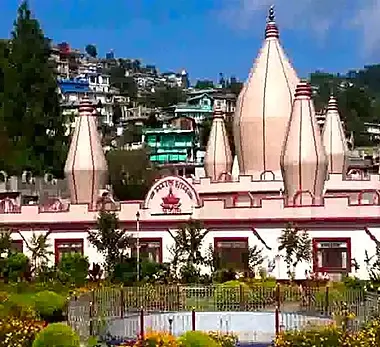
Mangal Dham Temple: A Spiritual Sanctuary in Kalimpong Nestled in the tranquil town of Kalimpong, Mangal Dham Temple is a significant religious and cultural landmark. Dedicated to Lord Krishna, the temple was constructed in 1993 in honor of the late Guru Shri 108 Mangaldasji, the founder of the Krishna Pranami sect. It serves as a center of worship for followers of this tradition and attracts pilgrims and visitors from across the region. The temple spans 2 acres of lush, wooded land, creating a serene environment ideal for reflection and spiritual practices. The central deity of the temple is Lord Krishna, but it also houses idols of Prannath, Raj Shyamji, and Mangaldasji. The top floor of the temple displays scenes from the lives of these revered figures, offering a visual connection to their teachings and spiritual journeys. The ground floor holds a prominent idol of Mangaldasji, symbolizing his lasting legacy and devotion to Lord Krishna. Beyond being a place of worship, Mangal Dham Temple is a haven for those seeking peace and solace. Its well-maintained grounds, surrounded by gardens and trees, offer a tranquil setting for meditation and prayer. The temple's peaceful atmosphere makes it an ideal destination for both spiritual seekers and those looking to unwind in nature. Mangal Dham also plays a key role in cultural and religious events, with prayers, bhajans, and kirtans regularly held. These gatherings foster a sense of community and devotion, and visitors can learn about the Krishna Pranami tradition and Hindu religious practices. For anyone visiting Kalimpong, Mangal Dham Temple is a must-see destination. Its architectural beauty, serene surroundings, and spiritual significance make it an enriching stop for pilgrims and tourists alike. Whether seeking blessings, exploring cultural heritage, or simply enjoying a moment of peace, Mangal Dham offers a fulfilling and transformative experience for all.
Laberbotey White Water Rafting

Thrills and Tranquility: River Rafting on the Teesta For adventure seekers, river rafting in the Teesta River near Kalimpong offers an unforgettable experience, blending exhilarating rapids with the stunning beauty of the Himalayan foothills. Originating from the glaciers of Sikkim, the Teesta River winds through the Labarbotey area, creating the perfect environment for an exciting rafting adventure. The Teesta is known for its diverse rapids, ranging from Grade II, which is ideal for beginners, to Grade IV, offering a more challenging experience for seasoned rafters. The river's unpredictable water conditions make it a thrilling experience for all levels. As you navigate the river’s rapid currents, you’ll be treated to breathtaking views of lush green mountains, dense forests, and towering snow-capped peaks, adding a serene contrast to the excitement of the ride. The rafting experience begins at the Labarbotey point, where participants board inflatable rafts for a journey down the river. The calm stretches at the start provide a brief respite before the rapids increase in intensity. As the raft surges through waves, past boulders, and into narrow channels, the adrenaline rush of the journey intensifies. The roar of the river and the splash of water heighten the thrill as rafters conquer the forces of nature. While the rapids provide the excitement, the surrounding landscape offers peace and natural beauty, with forests, hills, and valleys adding to the immersive experience. The best time for rafting on the Teesta is during the summer (March to June) and autumn (September to November), when the weather is ideal, and the river conditions are perfect for rafting. The monsoon season, from July to September, should be avoided due to higher water levels, which make the conditions too dangerous. River rafting on the Teesta is a must for anyone visiting Kalimpong, offering a perfect blend of adventure and tranquility amidst one of the most scenic landscapes in the region.
Lava

Lava: A Peaceful Retreat in the Heart of the Himalayas Tucked away in the Kalimpong District of West Bengal, Lava is a small hamlet that offers a tranquil escape into nature. Situated at an altitude of 7,200 feet, this serene town is surrounded by pine forests and is often veiled in mist, adding to its mystique. Though it lacks large hotels and sophisticated amenities, Lava's charm lies in its simplicity and natural beauty. Basic accommodations serve delicious local staples like momo, thupka, and tea, making it an ideal getaway for those seeking peace and solitude. The road to Lava from Kalimpong, about 31 kilometers away, winds through forests and offers stunning views of the surrounding landscapes. While the roads can be bumpy at times, the journey is worth it for nature lovers. Lava serves as the gateway to the Neora Valley National Park, renowned for its rich biodiversity, including rare species like the red panda. Birdwatchers, trekkers, and adventurers will find plenty to explore, from the Rachela Pass with its panoramic mountain views to the tranquil Changey Waterfalls. The Buddhist monastery perched on the hills adds a spiritual dimension to the town, offering visitors a sense of serenity. Lava’s cool climate makes it a perfect retreat, especially during the summer months. In winter, temperatures can drop below freezing, making it one of the few places in West Bengal to experience snowfall. Nearby, Rishyap and Lolegaon offer additional scenic beauty and trekking opportunities. For those looking to immerse themselves in the local culture and natural wonders, Lava is a place where one can relax, explore, and rejuvenate amidst the majestic Himalayas. Though small and basic, Lava is a haven for those seeking a quiet retreat surrounded by nature’s untouched beauty. With its panoramic views, cool climate, and proximity to the Neora Valley National Park, Lava remains a must-visit destination for adventure seekers and nature enthusiasts.